


How to set betting limits for safer gambling in SA 2026

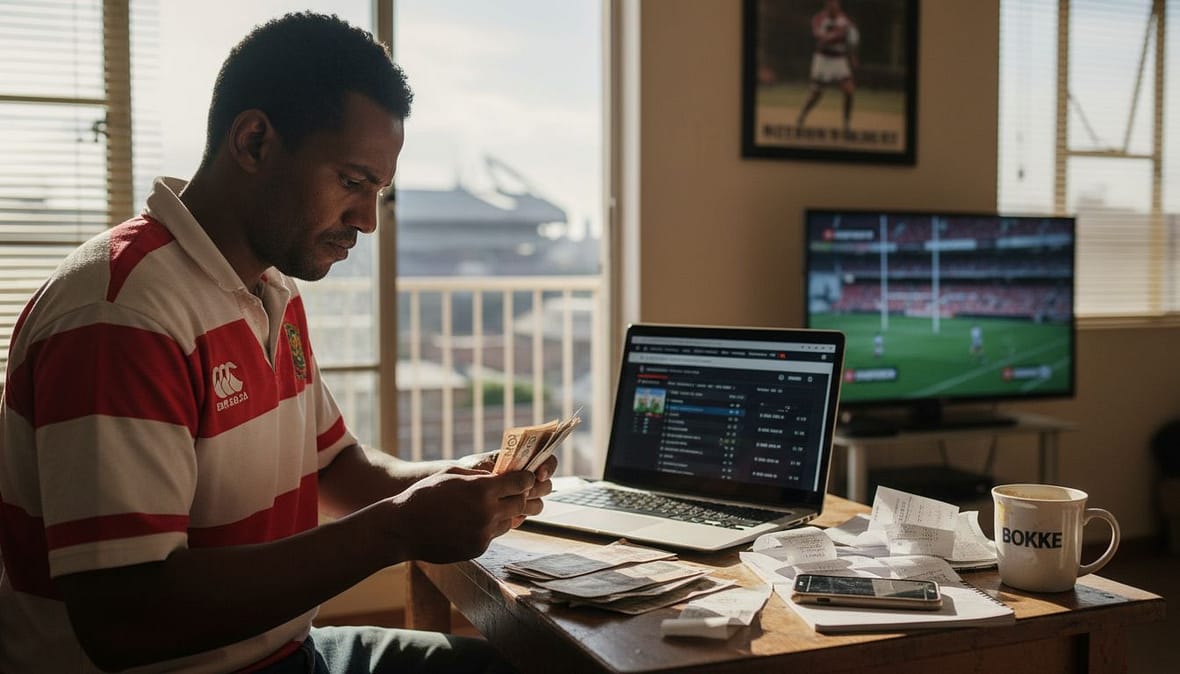
Many South African online gamblers lose track of their spending because they never establish clear betting limits before they start playing. Without concrete boundaries, it becomes easy to chase losses, overspend on impulse, and risk financial harm. Setting betting limits is the most practical step you can take to protect yourself whilst enjoying online gambling responsibly. This guide walks you through the preparation, execution, and enforcement of effective betting limits tailored to your personal circumstances, ensuring you stay in control of your gambling activity throughout 2026.
Table of Contents
- Why Setting Betting Limits Is Essential For Safer Gambling
- Preparing To Set Your Betting Limits: What You Need To Consider
- How To Set And Enforce Betting Limits Effectively
- Common Challenges When Setting Betting Limits And How To Overcome Them
- Discover Safer Betting With CasinoBoss
- Frequently Asked Questions
Key takeaways
| Point | Details |
|---|---|
| Limits prevent harm | Setting betting limits helps you control spending and avoid financial and emotional damage from uncontrolled gambling. |
| Define multiple limits | Establish daily, weekly, and monthly limits aligned with your disposable income and personal budget. |
| Use platform tools | Leverage built-in tools from South African betting platforms or self-imposed rules for effective enforcement. |
| Review regularly | Adjust limits periodically based on your financial situation and gambling patterns to maintain responsible play. |
Why setting betting limits is essential for safer gambling
Gambling without limits exposes you to serious financial harm and potential addiction. When you bet without boundaries, you risk spending money earmarked for essentials like rent, groceries, or savings. The thrill of winning can cloud judgement, leading to progressively larger bets that quickly deplete your bankroll. Similarly, losing streaks trigger emotional decisions where you chase losses, digging yourself into deeper financial trouble.
Betting limits act as practical safeguards that protect both your wallet and mental health. By defining how much you can afford to lose before you start playing, you create a buffer against impulsive decisions driven by emotion rather than logic. These boundaries help you enjoy gambling as entertainment rather than allowing it to become a source of stress or financial crisis. The National Responsible Gambling Programme (NRGP) provides resources and support for individuals with gambling problems, including a toll-free helpline.
South Africa has dedicated support infrastructure designed to help gamblers stay safe. The NRGP offers educational materials, counselling services, and treatment funding for those struggling with problem gambling. Using betting limits aligns perfectly with responsible gambling principles advocated by these organisations, giving you a structured approach to safer play.
Consider these critical reasons to establish limits:
- Limits prevent you from spending money you cannot afford to lose
- They reduce the risk of developing gambling addiction
- Boundaries help you maintain control during emotional highs and lows
- Limits allow you to enjoy gambling as recreation, not desperation
“Setting limits before you gamble is like wearing a seatbelt before you drive. It’s a simple precaution that can prevent serious harm.”
The reality is that casinos and betting platforms are designed to keep you playing. Without self-imposed limits, you’re relying solely on willpower to stop, which often fails when you’re caught up in the moment. Proactive limit-setting removes this burden by making the decision for you before emotions take over.
Preparing to set your betting limits: what you need to consider
Before you can set effective limits, you need to understand your financial reality and gambling behaviour. Start by calculating your disposable income, which is the money left after you’ve paid for all essentials like housing, food, transport, utilities, and savings. Only this surplus should ever be considered for gambling. If you’re living paycheque to paycheque, gambling should wait until your financial situation improves.
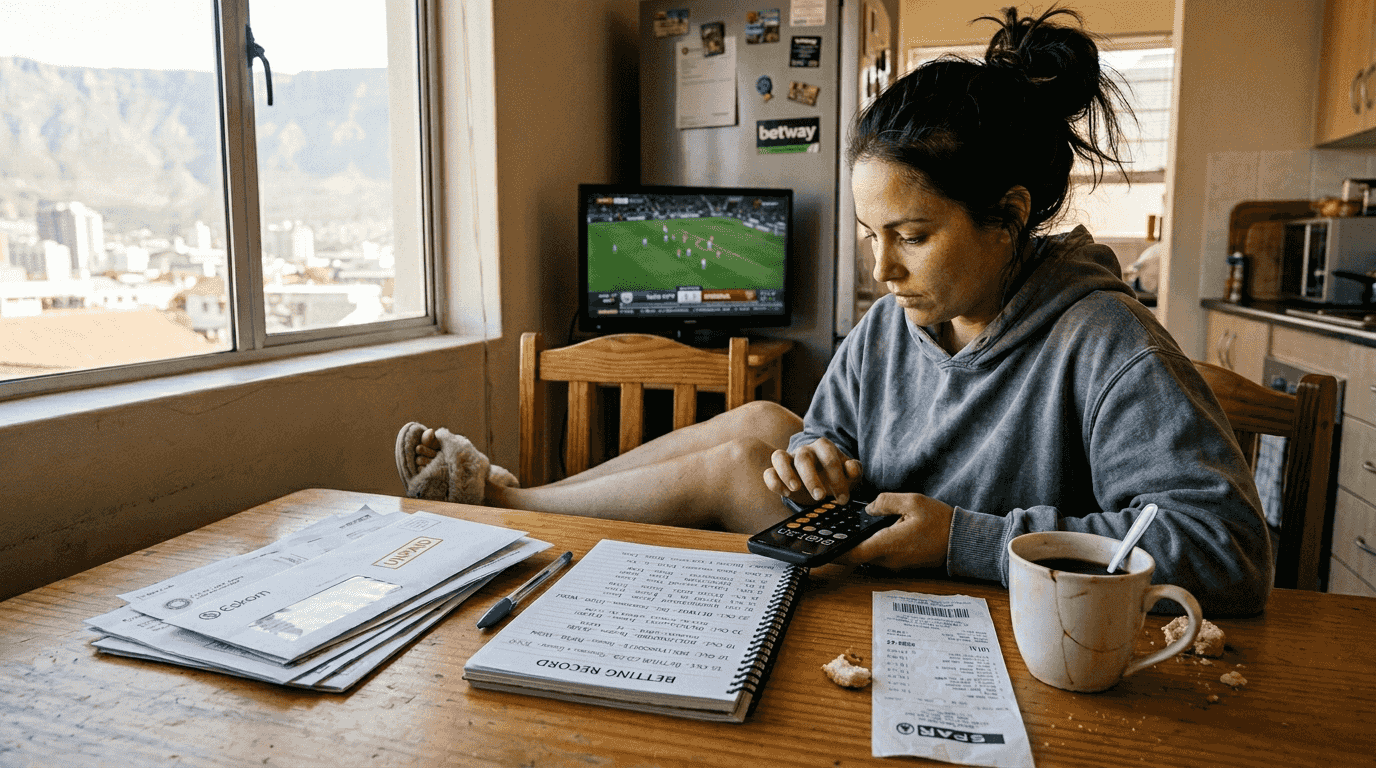
Next, examine your typical betting patterns honestly. Do you tend to bet more when you’re winning or losing? How long do your gambling sessions usually last? Have you ever spent more than you intended or borrowed money to gamble? These questions help you identify personal risk factors that your limits need to address. The NRGP provides educational resources that encourage understanding personal gambling behaviour prior to setting limits.
Identify specific triggers that lead to overspending. Common triggers include boredom, stress, loneliness, or celebrating wins by placing larger bets. Recognising these patterns allows you to design limits that account for your vulnerabilities. For instance, if you know you bet impulsively when stressed, you might set stricter daily limits or avoid gambling during particularly stressful periods.
Pro Tip: Track your gambling activity for two weeks before setting limits. Record every bet, win, loss, and how you felt at the time. This data provides concrete evidence of your patterns and helps you set realistic limits based on actual behaviour rather than wishful thinking.
Consider these preparatory steps:
- Calculate your monthly disposable income after all expenses
- Review past gambling activity to identify spending patterns
- List emotional or situational triggers that lead to overspending
- Assess whether you’ve ever lost control or chased losses
- Determine what percentage of disposable income feels comfortable to risk
Be brutally honest during this preparation phase. Underestimating your risk or overestimating your control leads to ineffective limits that you’ll break easily. The goal is to create boundaries that genuinely protect you whilst still allowing enjoyment. For more context on why this matters, explore why set betting limits to understand the broader benefits of this approach.
How to set and enforce betting limits effectively
Once you’ve prepared, it’s time to establish concrete limits. Start by choosing limit types that match your needs. Monetary limits cap how much you can deposit or lose over a specific period, whilst time limits restrict how long you can play. Most South African online platforms offer both options through their responsible gambling tools.
Follow these steps to implement your limits:
- Decide on daily, weekly, and monthly monetary limits based on your disposable income calculation
- Set time limits for individual gambling sessions to prevent marathon playing
- Access your betting platform’s responsible gambling settings and input your chosen limits
- Enable deposit limits, loss limits, and session time reminders
- Consider setting cooling-off periods or self-exclusion options as backup safeguards
- Create a personal gambling log to track every session, bet, and outcome
The table below shows example limit structures for different income levels:
| Monthly disposable income | Suggested monthly limit | Daily limit | Weekly limit |
| — | — | — |
| R2,000 | R200 (10%) | R30 | R70 |
| R5,000 | R400 (8%) | R60 | R140 |
| R10,000 | R600 (6%) | R90 | R210 |
| R20,000 | R1,000 (5%) | R150 | R350 |
These percentages decrease as income rises because higher earners can afford to risk slightly more whilst still maintaining safety. Adjust these figures based on your personal comfort level and risk tolerance. The NRGP supports online tools and personal strategies to enforce betting limits guaranteeing safer gambling.
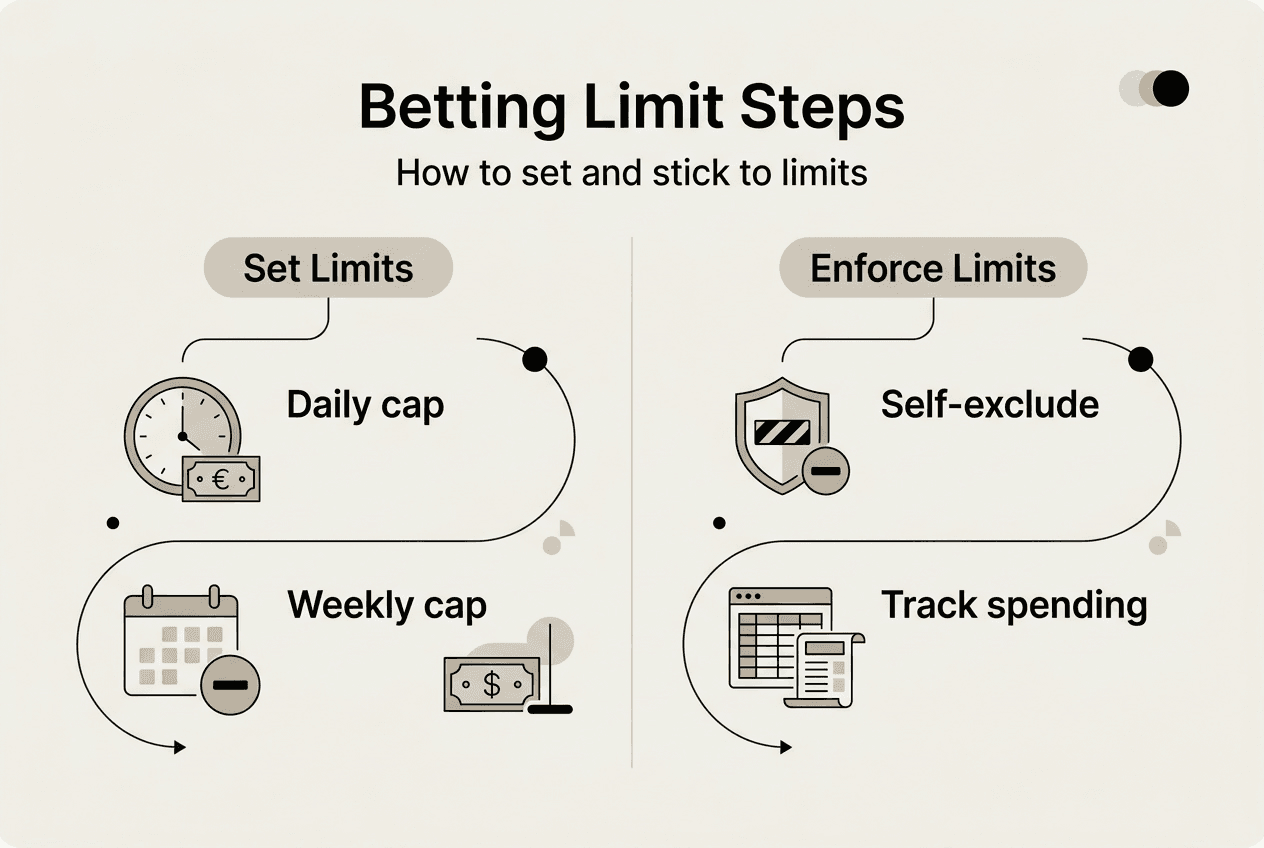
Enforcement is where many gamblers struggle. Setting limits is easy; sticking to them requires discipline. Use platform tools as your first line of defence because they automatically block deposits or play once you hit your limits. However, supplement these with personal accountability measures like keeping a gambling diary, sharing your limits with a trusted friend, or using banking controls to restrict transfers to gambling sites.
Pro Tip: Set your limits lower than you think necessary initially. You can always increase them after a few months if they prove too restrictive, but starting conservatively builds good habits and prevents early mistakes. For comprehensive guidance, check betting budget management strategies.
Review your limits monthly. If your financial situation changes, adjust accordingly. However, never increase limits immediately after a losing streak, as this is chasing losses in disguise. Wait at least 48 hours and reassess with a clear head before making any changes.
Common challenges when setting betting limits and how to overcome them
Even with well-planned limits, you’ll face temptations to break them. The most common challenge is the urge to increase limits during winning streaks. When you’re on a roll, it feels natural to bet more to capitalise on your luck. Resist this impulse. Winning streaks end, and increasing limits during them often leads to giving back all your winnings plus more when the inevitable losing streak arrives.
Chasing losses represents another major obstacle. After losing your daily limit, the temptation to deposit more and win it back can be overwhelming. This behaviour is the hallmark of problem gambling and undermines every protective measure you’ve put in place. When you hit your limit, stop immediately. Accept the loss as the cost of entertainment and walk away.
Emotional betting sabotages even the best limit systems. Stress, excitement, anger, or boredom can trigger impulsive decisions to ignore your boundaries. Combat this by recognising your emotional state before you gamble. If you’re feeling particularly emotional, postpone gambling until you’re calmer. The NRGP emphasises the need for self-awareness and seeking help if tempted to break limits or develop harmful habits.
Strategies to maintain discipline include:
- Remind yourself why you set limits by reviewing your initial motivations
- Use visual cues like sticky notes near your computer with your limit amounts
- Celebrate adherence to limits as victories, not the gambling outcomes
- Find alternative activities to fill time you might otherwise spend gambling
- Join support groups or forums for accountability and encouragement
Some platforms allow you to request permanent limit decreases that cannot be reversed for a set period. This nuclear option removes temptation entirely by making it impossible to increase limits impulsively. Consider this feature if you struggle with self-control.
“The hardest part of responsible gambling isn’t setting limits. It’s respecting them when every instinct screams to keep playing.”
If you consistently struggle to maintain your limits, seek professional help. The NRGP offers confidential counselling and treatment programmes designed specifically for South African gamblers. Recognising that you need support is a sign of strength, not weakness. Visit responsible gambling strategies for additional resources and guidance on maintaining healthy gambling habits.
Discover safer betting with CasinoBoss
Now that you understand how to set and maintain betting limits, put this knowledge into practice with trusted platforms and expert guidance. CasinoBoss specialises in helping South African gamblers make informed decisions about where and how to bet safely. Our comprehensive reviews highlight platforms that prioritise responsible gambling advice and offer robust limit-setting tools.

Whether you prefer online slots tips or sports betting guidance, CasinoBoss provides detailed strategies to maximise enjoyment whilst minimising risk. Explore our curated selection of licensed South African platforms that combine entertainment with player protection. Apply your new limit-setting skills alongside our expert recommendations for a smarter, safer gambling experience in 2026.
Frequently asked questions
How do I decide the right amount for my betting limits?
Calculate your monthly disposable income after covering all essential expenses like rent, food, and savings. Allocate no more than 5 to 10% of this surplus to gambling, with lower percentages recommended for tighter budgets. Be conservative initially; you can adjust upwards later if limits prove too restrictive, but starting low builds disciplined habits.
Can I change my betting limits once set?
Most South African betting platforms allow limit adjustments, but responsible operators enforce cooling-off periods before increases take effect. This delay prevents impulsive decisions made during emotional moments. Never increase limits immediately after losses, as this constitutes chasing behaviour that undermines responsible gambling principles.
What support is available if I struggle to stick to my limits?
Contact the NRGP helpline at 0800 006 008 for free confidential support available to all South Africans. The programme covers outpatient treatment costs and provides access to trained counsellors who specialise in gambling problems. Early intervention significantly improves outcomes, so reach out at the first sign of difficulty maintaining your limits.
Should I set different limits for different types of gambling?
Yes, consider separate limits for casino games versus sports betting if you engage in both. Sports betting often involves research and strategy that can make it feel less risky, potentially leading to larger bets. Setting distinct limits for each activity prevents overspending in one area from affecting your overall gambling budget.
How often should I review and adjust my betting limits?
Review your limits monthly or whenever your financial situation changes significantly. However, only decrease limits immediately if needed; increases should wait at least 48 hours after the decision to ensure you’re not acting impulsively. Annual reviews aligned with your budget planning cycle help maintain long-term responsible gambling habits.
How does Casino BOSS make its money?
At Casino BOSS, transparency isn’t a buzzword – it’s the foundation of how we operate. We believe players deserve to know exactly how our platform works, how reviews are created, and how we earn revenue.
Recommended

