


Responsible Gambling South Africa 2026: 31% Face Risk

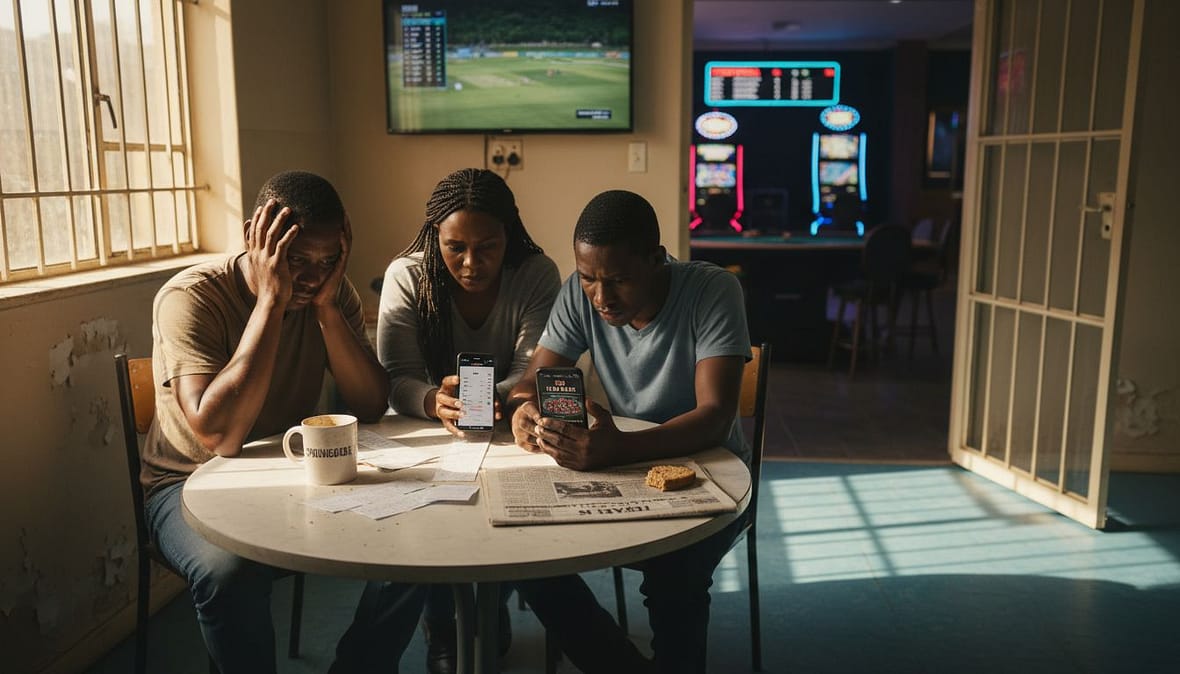
Nearly 31% of South African gamblers show signs of problem gambling, making responsible gambling understanding critical for your safety and legal compliance. This alarming statistic highlights why knowing how to gamble responsibly isn’t optional, it’s essential. Whether you play online or visit land-based venues, understanding your rights, the regulatory framework, and harm prevention tools protects you from financial and personal devastation. This guide explains South Africa’s unique gambling laws, dispels dangerous myths, and provides practical steps to maintain control while enjoying gaming entertainment.
Table of Contents
- Understanding South African Gambling Regulatory Framework
- Defining Responsible Gambling In South Africa
- Problem Gambling In South Africa: Prevalence And Impact
- Common Misconceptions About Responsible Gambling
- Conceptual Framework For Practicing Responsible Gambling
- Player Protection Mechanisms And Operator Responsibilities
- Practical Tips For South African Online Gamblers To Gamble Responsibly
- Explore Safe And Licensed Online Gambling With CasinoBoss
- Frequently Asked Questions About Responsible Gambling In South Africa
Key Takeaways
| Point | Details |
|---|---|
| Regulatory Structure | South Africa operates a dual national-provincial system where the National Gambling Board sets standards while nine Provincial Gambling Boards enforce licensing. |
| Problem Gambling Scale | Over 31% of South African gamblers display problem behaviors, with counseling calls exceeding one million annually. |
| Protection Tools | Voluntary self-exclusion and the National Register of Excluded Persons provide legal safeguards, with operators required to act within 5 days. |
| Misconception Risk | Online gambling carries equal or greater risks than land-based venues due to inconsistent regulatory enforcement in South Africa. |
| Player Responsibility | Responsible gambling means controlled play with awareness of risks, not guaranteed wins or loss-free entertainment. |
Understanding South African Gambling Regulatory Framework
South Africa’s gambling regulation operates through a dual system combining national oversight with provincial licensing enforcement. The National Gambling Board establishes baseline standards and coordinates policy across the country. However, nine Provincial Gambling Boards issue licenses and enforce regulations within their territories, creating significant variation in rules and protections depending on where you play.
The National Gambling Act 2004 provides the legal foundation for the entire sector. It defines permissible gambling activities, sets age restrictions, and mandates responsible gambling measures. Yet provincial differences mean what’s acceptable in Gauteng might differ from regulations in the Western Cape.
Understanding South African gambling regulations is essential for compliance and safety:
- The National Gambling Board coordinates national and provincial gambling regulations but doesn’t issue licenses directly
- Provincial Gambling Boards control licensing, making location critical for legal play
- Regulatory fragmentation creates compliance challenges for operators and confusion for players
- Licensed operators must meet both national standards and provincial requirements simultaneously
- Unlicensed platforms operate in legal grey areas, offering no player protections
This complex regulatory environment makes choosing licensed, compliant platforms absolutely critical. Without proper licensing, you have no legal recourse if disputes arise or operators act unethically.
With the regulatory landscape clear, next we define responsible gambling itself in the South African context.
Defining Responsible Gambling in South Africa
Responsible gambling focuses on player safety and harm reduction rather than promising you’ll never lose or always win. It means playing within your financial limits, understanding the odds are against you long-term, and recognizing warning signs of problematic behavior. South African law requires gambling advertising to include responsible messaging and helpline contacts, reflecting the government’s commitment to harm prevention.
Voluntary self-exclusion allows you to request temporary or permanent bans from gambling venues or platforms. Enforced exclusion legally bars individuals deemed vulnerable from gambling establishments. These tools exist specifically to protect you when control slips.
Key responsible gambling principles in South Africa include:
- Playing only with money you can afford to lose without impacting essential expenses
- Understanding gambling as entertainment with costs, not income generation
- Recognizing early warning signs like preoccupation with gambling or borrowing to play
- Using available tools like deposit limits, time limits, and self-exclusion when needed
- Seeking help immediately when gambling causes stress, relationship problems, or financial hardship
Pro Tip: Set your gambling budget before you start playing and treat losses as the cost of entertainment, just like paying for a movie ticket or restaurant meal. If you can’t afford to lose the money, don’t gamble with it.
Industry standards expect operators to promote safer gambling through visible messaging, accessible support resources, and rapid implementation of player-requested protections. However, enforcement varies significantly between provinces and platforms.
Having defined responsible gambling, we now explore data on the problem gambling challenge it aims to address in South Africa.
Problem Gambling in South Africa: Prevalence and Impact
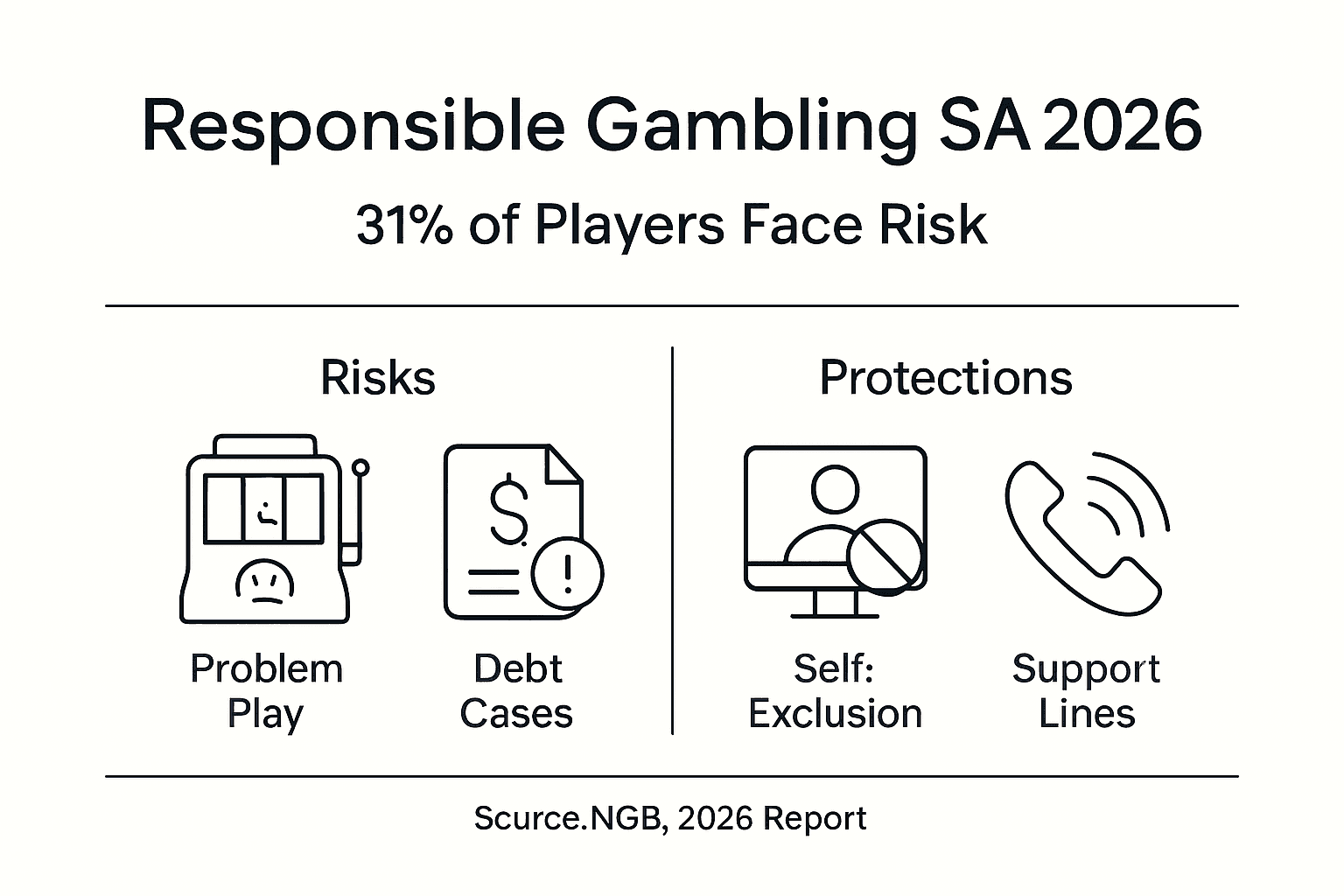
The statistics paint a troubling picture. Nearly 31% of South African gamblers display signs of problem gambling, representing hundreds of thousands of individuals at risk. Counseling services have recorded over one million calls, demonstrating massive demand for support. Most alarmingly, referrals for problem gambling treatment have increased 55%, indicating both growing awareness and escalating harm.
Problem gambling destroys more than bank accounts. It fractures families, ruins careers, and devastates mental health. The financial consequences extend beyond the individual gambler to dependents, employers, and communities.
| Indicator | Statistic | Implication |
|---|---|---|
| Problem Gambling Prevalence | 31% of gamblers | Nearly one in three South African gamblers at risk |
| Counseling Demand | Over 1 million calls | Overwhelming need for support services |
| Treatment Referrals | 55% increase | Growing recognition of gambling harm |
| Social Impact | Families and communities affected | Harm extends far beyond individual gamblers |
These South African problem gambling statistics underscore why understanding the responsible gambling importance isn’t academic—it’s survival. The data supports urgent need for prevention, early intervention, and accessible treatment through comprehensive responsible gambling programs.
Over 31% of South African gamblers show problem gambling signs, with counseling calls exceeding 1 million annually and treatment referrals rising 55%.
The scale of this crisis demands action from regulators, operators, and individual players. Prevention starts with education and awareness of risks before problems develop.
With the scale of the problem clear, we turn to clarify common misconceptions that confuse responsible gambling concepts among South African players.
Common Misconceptions about Responsible Gambling
Dangerous myths about responsible gambling lead players into risky behaviors and preventable harm. The most prevalent misconception suggests responsible gambling guarantees you won’t lose or can somehow beat the house edge. This is mathematically impossible. Gambling always favors the operator long-term, and responsible gambling simply minimizes harm while you play.
Another widespread myth claims online gambling is inherently safer than land-based venues. The misconception that online gambling is less risky is false because inconsistent online regulatory enforcement actually increases risks in South Africa. Many online platforms operate without proper South African licenses, offering zero player protections.
Additional misconceptions about responsible gambling include:
- Believing deposit limits alone constitute complete responsible gambling (they’re one tool among many)
- Thinking you can’t develop gambling problems if you only play occasionally or with small amounts
- Assuming all licensed operators provide equal protections regardless of provincial jurisdiction
- Expecting operators to prevent you from gambling irresponsibly without you taking personal action
- Believing responsible gambling tools eliminate all risks or guarantee safe outcomes
Pro Tip: If you find yourself justifying gambling decisions with phrases like “I’m due for a win” or “I can win it back,” you’re already exhibiting problem gambling thinking. Stop immediately and reassess your relationship with gambling.
These misunderstandings create false security, encouraging players to gamble beyond their means or ignore warning signs. Education combating these myths is critical for promoting realistic expectations and genuine safety.
Clearing up myths prepares readers to understand the practical mental model and tools for practicing responsible gambling safely.
Conceptual Framework for Practicing Responsible Gambling
Developing a clear mental model helps you identify risky behaviors and use protective tools effectively. Responsible gambling involves recognizing warning signs like chasing losses, using self-exclusion registers, and seeking support through counseling and hotlines before problems escalate.
Warning signs indicating you need immediate intervention:
- Chasing losses by gambling more to recover previous losses
- Gambling with money allocated for rent, food, or other essentials
- Borrowing money specifically to gamble or cover gambling debts
- Lying to family or friends about gambling activities or spending
- Neglecting work, relationships, or personal responsibilities due to gambling preoccupation
- Experiencing anxiety, depression, or irritability when unable to gamble
Once you recognize problematic patterns, act immediately using available framework for responsible gambling tools:
- Contact the National Responsible Gambling Programme helpline at 0800 006 008 for confidential support
- Request voluntary self-exclusion from all gambling platforms you use
- Register with the National Register of Excluded Persons for comprehensive protection
- Set strict deposit and loss limits on any platforms where you continue playing
- Inform trusted family or friends who can provide accountability and support
- Seek professional counseling to address underlying issues driving problematic gambling
Pro Tip: Choose licensed operators committed to responsible gambling before you start playing, not after problems develop. Verify provincial licensing and check what specific protections each platform offers.
Balancing enjoyment with harm reduction represents the core goal. Gambling can be entertainment when controlled, but requires constant self-awareness and willingness to use protective measures when needed.

With a conceptual framework provided, the next section explains how operators and regulators implement protective mechanisms practically.
Player Protection Mechanisms and Operator Responsibilities
Operators must act on exclusion requests within 5 days, ensuring timely harm reduction when players recognize they need help. This legal requirement prevents dangerous delays that might allow continued gambling during vulnerable periods. The National Register of Excluded Persons is mandatory for all licensed operators, creating a unified system preventing excluded individuals from accessing gambling across multiple platforms.
Operators submit internal control plans to Provincial Gambling Boards demonstrating responsible gambling compliance. These plans detail specific measures for player protection, problem gambling identification, staff training, and support resource provision. Regulators monitor adherence through audits and compliance reviews.
Key operator responsibilities in responsible gambling include:
- Implementing requested exclusions within the legally mandated 5-day timeframe
- Checking the National Register before allowing any individual to gamble
- Displaying responsible gambling messages and helpline numbers prominently
- Training staff to recognize problem gambling signs and offer appropriate assistance
- Providing easily accessible tools for deposit limits, loss limits, and self-exclusion
- Maintaining confidential records of player interactions regarding responsible gambling concerns
Collaboration between industry and regulators strengthens player safety through shared data, best practice development, and coordinated enforcement. However, effectiveness depends on provincial resources and commitment levels, creating disparities in player protection regulations enforcement across South Africa.
Understanding protection mechanisms leads naturally to actionable advice online players can use to gamble responsibly today.
Practical Tips for South African Online Gamblers to Gamble Responsibly
Implement these concrete strategies to protect yourself while enjoying online gambling entertainment. Start by understanding SA gambling law for online players before registering with any platform. Provincial and national regulations determine what’s legal, what protections you’re entitled to, and which operators you can trust.
Essential online gambling safety tips:
- Verify the operator holds valid South African provincial licensing before depositing money
- Set strict gambling budgets covering only discretionary income you can lose without hardship
- Never chase losses by increasing bets or depositing additional funds after losing sessions
- Use deposit limits, loss limits, and session time limits available on licensed platforms
- Take regular breaks during gambling sessions to maintain perspective and control
- Avoid gambling when stressed, depressed, intoxicated, or emotionally vulnerable
- Keep detailed records of deposits, withdrawals, and net wins/losses for financial awareness
Pro Tip: Schedule gambling as time-limited entertainment with predetermined budgets, just like budgeting for concerts or sporting events. When the time or money runs out, stop immediately regardless of whether you’re winning or losing.
Additional safe gambling practices South Africa recommendations:
- Pay attention to responsible gambling messages and helpline numbers displayed on platforms
- Contact support immediately if you notice gambling interfering with daily life
- Avoid platforms offering bonuses or promotions that seem too generous (they often have predatory terms)
- Never gamble with borrowed money or credit you can’t immediately repay
- Choose only licensed and regulated operators providing transparent terms and player protections
- Monitor your gambling behavior regularly for warning signs of problematic patterns
After equipping readers with practical tips, we progress to summarizing solutions and offering further help in the promo and FAQ sections.
Explore Safe and Licensed Online Gambling with CasinoBoss
CasinoBoss provides comprehensive reviews of licensed online casinos operating legally in South Africa, helping you identify trustworthy platforms offering genuine player protections. Our expert evaluations examine licensing status, responsible gambling tools, security measures, and compliance with South African regulations.
Discover detailed online slots tips and strategies maximizing entertainment value while maintaining control. We offer practical guidance on setting limits, recognizing problem gambling signs, and using exclusion tools effectively. Our responsible gambling resources connect you with support services, helplines, and educational materials promoting safer play.
CasinoBoss helps you navigate South Africa’s complex gambling landscape confidently, ensuring you choose platforms committed to your safety and legal compliance while enjoying quality gaming entertainment.
Frequently Asked Questions about Responsible Gambling in South Africa
What does responsible gambling mean in South Africa?
Responsible gambling means playing within your financial limits, understanding odds favor the house, and recognizing warning signs of problematic behavior. It includes using tools like deposit limits and self-exclusion when needed, not guaranteeing you’ll avoid losses or win consistently.
How can I use self-exclusion tools from licensed operators?
Contact the operator’s customer support directly requesting voluntary self-exclusion, specifying the duration you want. Licensed operators must implement your request within 5 days by law. For comprehensive protection, register with the National Register of Excluded Persons covering all licensed venues and platforms.
Is online gambling safer than land-based gambling here?
No, online gambling carries equal or greater risks because many online platforms lack proper South African licensing. Inconsistent regulatory enforcement online means fewer protections compared to licensed land-based venues. Always verify provincial licensing before playing online.
Who regulates gambling to ensure player protection?
The National Gambling Board provides national oversight and sets baseline standards, while nine Provincial Gambling Boards issue licenses and enforce regulations within their territories. This dual system creates variation in protections depending on location and operator licensing.
Where can I get help if gambling becomes a problem?
Contact the National Responsible Gambling Programme helpline at 0800 006 008 for confidential support. Licensed operators must display helpline numbers and provide access to counseling resources. Request immediate self-exclusion while seeking professional help addressing underlying issues.
Recommended

