


Role of Bonuses in Gambling – Impact on South Africans


Opening an online gambling account in South Africa means you are instantly greeted by tempting offers like welcome bonuses or free spins. For many new players, these promotions offer more game time and extra chances to win, making them a major draw. Yet not every bonus is as simple as it seems. Understanding how gambling bonuses truly shape your betting choices and the importance of safe, informed play lets you make smart decisions that boost excitement without risking more than you should.
Table of Contents
- Gambling Bonuses Defined And Demystified
- Main Types Of Bonuses For Players
- How Bonuses Influence Player Choices
- Legal Rules For Bonuses In South Africa
- Potential Risks And Responsible Use
Key Takeaways
| Point | Details |
|---|---|
| Understand Bonus Types | Familiarize yourself with various bonuses like welcome, no-deposit, and reload bonuses to maximize value based on your playing habits. |
| Wagering Requirements Matter | Always check wagering requirements as they dictate how much you need to play before you can withdraw winnings. |
| Legal and Regulatory Awareness | Know the differences between licensed South African operators and offshore casinos to protect yourself from potential issues with bonuses. |
| Responsible Gambling Practices | Set strict personal limits and recognize the risks of chasing bonuses to maintain control over your gambling behavior. |
Gambling Bonuses Defined and Demystified
When you first open an online gambling account in South Africa, one of the first things you’ll notice is the promotional offer waiting for you. That welcome bonus, the free spins package, or the no-deposit offer sitting in your inbox, these are gambling bonuses. But what exactly are they, and how do they actually work?
Gambling bonuses are promotional tools designed to attract new players and keep existing ones engaged by offering extra funds or free spins to play with. Think of them as the casino’s way of giving you a head start. Instead of depositing R100 and playing with R100, you might deposit R100 and receive an additional R100 in bonus funds, effectively doubling your playing power. The online gambling industry in South Africa has grown rapidly, driven by mobile accessibility and international platforms accepting South African rand, making these bonuses increasingly common as operators compete for your attention.
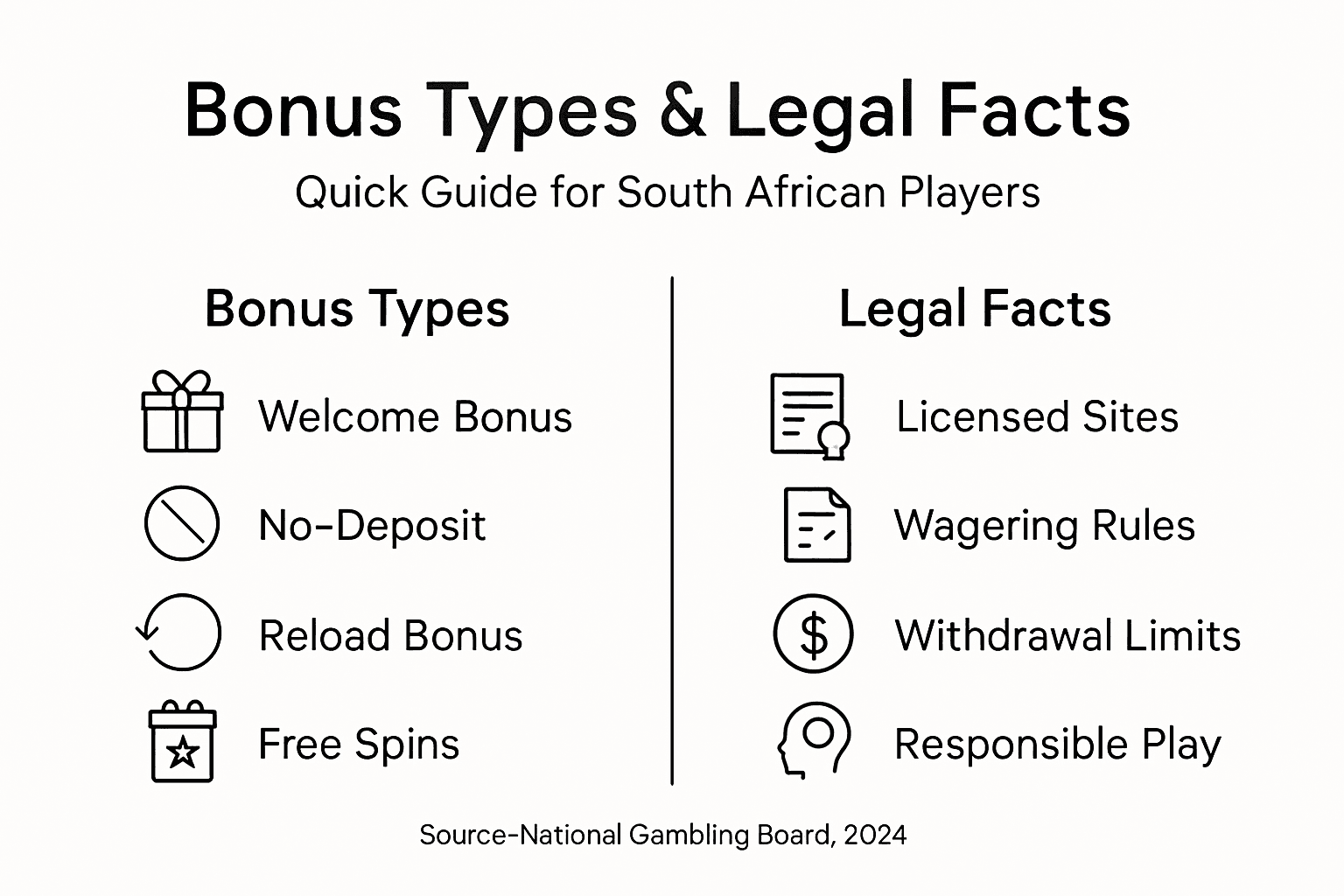
The most common types you’ll encounter include welcome bonuses, no-deposit bonuses, free spins, and reload bonuses. A welcome bonus typically matches a percentage of your initial deposit (often 100 percent or more) and requires you to wager that amount a certain number of times before you can withdraw winnings. No-deposit bonuses are more straightforward: the casino gives you funds or spins without requiring a deposit first, though they come with stricter conditions attached. Free spins allow you to play specific slot games without using your own money, and reload bonuses reward you when you make additional deposits after your initial signup.
Here’s where understanding becomes crucial. Each bonus comes with wagering requirements, which specify how many times you must play through the bonus amount before converting it to real money you can withdraw. A bonus with a 35x wagering requirement means if you receive R100 in bonus funds, you need to wager R3,500 before any winnings become withdrawable. This is why comparing welcome bonuses and their specific conditions across different platforms matters significantly. Some operators offer lower wagering requirements, making their bonuses genuinely more valuable despite appearing smaller on the surface. Other conditions often include game restrictions (the bonus might only work on specific slots), time limits (you might have 30 days to use it), and maximum withdrawal caps (you can only cash out a certain amount).
The key distinction for South African players is recognizing that while only licensed sports betting is legally authorized in the country, the online casino market has expanded through international platforms. These bonuses serve as your invitation to test a platform, but they’re also designed to encourage higher spending patterns. Understanding what you’re actually receiving versus what conditions come attached transforms bonuses from confusing marketing noise into valuable tools you can leverage strategically.
Pro tip: Before claiming any bonus, write down the wagering requirement, withdrawal limit, eligible games, and expiration date, then calculate whether you can realistically meet those conditions based on your typical betting patterns and bankroll.
Main Types of Bonuses for Players
Now that you understand what bonuses are, let’s break down the specific types you’ll encounter when gambling online in South Africa. Each bonus type serves a different purpose and comes with its own set of conditions. Knowing the difference between them helps you identify which offers actually benefit your playing style and bankroll.
Welcome bonuses are the most recognizable type. These land in your account when you sign up and make your first deposit. A typical welcome bonus might offer 100 percent match on your deposit, meaning if you deposit R500, you receive an additional R500 in bonus funds. Some operators get generous and offer multiple-tier bonuses, giving you matches on your second, third, and even fourth deposits. The catch? These bonuses come with wagering requirements that can range from 20x to 50x or higher. That R500 bonus at 35x means you’re looking at R17,500 in total wagers before you can touch the winnings. Welcome bonuses are designed to lower your entry barrier, but they’re structured to encourage extended play.
No-deposit bonuses sound almost too good to be true, and in many ways they are. The casino gives you free money or spins without asking for a deposit first. You might receive R50 in bonus funds or 20 free spins on a specific slot game simply for creating an account. This type of bonus costs you nothing upfront and represents genuine risk-free playing opportunity. However, the wagering requirements on no-deposit bonuses are notoriously strict. You might face 50x or 60x wagering requirements, strict game limitations (the bonus only works on certain slots), and withdrawal caps that prevent you from cashing out large amounts. Operators offer these because they’re betting you’ll convert to a paying customer, and the stringent conditions protect their bottom line. Free spins bonuses function similarly but focus specifically on slot games. You receive a set number of spins on particular games, and any winnings must meet the bonus’s wagering requirements before withdrawal. The advantage here is clarity: you know exactly which games you can play and roughly how long your spins will last.
Reload bonuses target existing players making additional deposits after their initial signup. These work much like welcome bonuses but are typically smaller percentages (often 25 to 50 percent match). Your second deposit might qualify for a 50 percent match, meaning a R1,000 deposit earns R500 in bonus funds. Reload bonuses keep players engaged during slower periods and reward loyalty. Understanding casino odds and player mathematics becomes important here because reload bonuses don’t change the mathematical advantage casinos hold. They simply extend your playing power without altering the underlying house edge. Sticky bonuses (also called non-withdrawal bonuses) work differently from all others. The bonus funds never become withdrawable, even after you meet wagering requirements. You can use the bonus to play and withdraw any winnings earned from it, but the bonus credit itself stays locked in your account. Some casinos automatically forfeit sticky bonuses once you cash out; others credit the winnings to your main account separately. Cashback bonuses give you a percentage of losses back as a bonus credit. Lose R1,000 over a week, and you might receive R100 (10 percent) in cashback bonus funds. This type encourages continued play by softening the blow of losses, though the bonus funds typically carry their own wagering requirements.
Pro tip: Compare the wagering requirement times the bonus size (35x multiplier on a R100 bonus equals R3,500 total play-through) against your average hourly stakes to determine if you can realistically complete the bonus before its expiration date without exceeding your comfortable betting limits.
Here’s a quick comparison of the main bonus types available to South African online gamblers:
| Bonus Type | Typical Value | Main Advantage | Common Limitations |
|---|---|---|---|
| Welcome Bonus | 100% match, R500+ | Doubles initial deposit | Wagering requirements, time limit |
| No-Deposit Bonus | R50 or 20 free spins | Risk-free play | High wagering, withdrawal caps |
| Reload Bonus | 25-50% match | Rewards loyal repeat play | Lower value, still wagered funds |
| Free Spins | 10-50 spins | Play popular slots freely | Limited to certain games |
| Cashback | 5-10% of losses | Reduces loss impact | Wagering applies to cashback |
| Sticky Bonus | R100-R500 bonus | Boosts balance for play | Bonus not withdrawable |
How Bonuses Influence Player Choices
Bonuses do far more than simply give you extra money to play with. They actively shape where you gamble, how much you wager, and which games you choose to play. Understanding this influence helps you recognize when bonuses are genuinely working in your favor versus when they’re manipulating your behavior in ways that hurt your bankroll.

The most direct influence bonuses have is on platform selection. When you’re comparing two South African online casinos with similar game libraries and licensing, a generous welcome bonus at one site versus another often tips the scales in favor of the bonus offer. A R1,000 welcome bonus feels substantial compared to a R200 offer, even if both come with identical wagering requirements. This is by design. Casinos know that bonuses significantly encourage sign-ups and deposits, making them one of the most effective marketing tools in the industry. The bonus essentially lowers your perceived risk of trying a new platform. You’re thinking “If this casino turns out to be average, at least I got free money out of it.” That psychological comfort increases your willingness to deposit. The research shows that bonuses directly affect where and how much players bet, creating a competitive advantage for operators offering more attractive packages.
Once you’ve chosen a platform based on its bonus, the offer influences your deposit and wagering decisions. A 100 percent match bonus encourages you to deposit more than you originally planned because you’re essentially doubling your playing power. If you were thinking about depositing R500, the bonus might push you to deposit R1,000 instead, reasoning that the matching funds justify the larger deposit. This is where bonuses shift from being generous tools to being psychological leverage. The bonus feels like free money, which it technically is, but it often leads players to wager amounts they wouldn’t normally risk. Research indicates that while bonuses can increase playing time and excitement, they also influence decision-making by offering perceived extra value, which can lead to riskier behaviors. The bonus funds don’t feel like your own money, so players often take bigger risks with them than they would with cash they deposited themselves.
Bonuses also drive game selection choices. Free spins bonuses lock you into playing specific slot games, often ones with high volatility or house edges designed to favor the casino. You might normally prefer playing games with lower slot volatility and better odds, but the bonus terms force you elsewhere. This benefits casinos because they’re funneling bonus money toward games with higher profit margins. Even with deposit match bonuses that work across multiple games, players often gravitate toward slots because they present a clearer path to meeting wagering requirements quickly. Table games like blackjack contribute less toward wagering requirements (sometimes only 10 percent per bet versus 100 percent for slots), so the bonus structure itself nudges you toward slots.
The influence extends to retention and loyalty behavior. Reload bonuses keep players returning because they’re conditioned to expect rewards for making additional deposits. Once you’ve experienced bonus offers, gambling without them feels less rewarding. You become more likely to chase bonuses across different platforms, sometimes depositing at casinos you wouldn’t otherwise choose simply because their current reload bonus is slightly better. This is the long-term play for operators. Bonuses don’t just attract new players; they create dependency loops that keep existing players engaged and spending.
Here’s what matters: Bonuses absolutely influence your choices, and that’s unavoidable. Smart players acknowledge this influence and use it intentionally rather than letting it use them. Savvy players leverage bonuses strategically to extend gameplay or test new casinos without risking their own funds, transforming what could be a liability into an advantage. The key is recognizing when a bonus is genuinely beneficial versus when it’s designed to extract more from you than you’d normally spend.
Pro tip: Write down your bonus decision criteria before claiming any offer: minimum acceptable wagering requirement, realistic completion timeline, preferred game types, and maximum comfortable loss threshold, then evaluate each bonus against these criteria instead of relying on gut feeling or marketing appeal.
Legal Rules for Bonuses in South Africa
The legal landscape for bonuses in South Africa is complex and often misunderstood. Unlike many countries with clearly defined online gambling regulations, South Africa operates in a gray area where bonuses exist in a regulatory framework that’s still catching up to market reality. Understanding these legal rules protects you from unknowingly violating regulations and helps you identify trustworthy operators.
South African gambling regulation centers on the National Gambling Act, which requires licenses for operators offering gambling services. The National Gambling Board oversees licensed operators and ensures compliance with national norms and standards designed to protect consumers. However, the critical distinction is that South African National Gambling Act primarily covers land-based casinos and licensed sports betting operators. Only licensed sports betting is legally authorized within South Africa’s formal regulatory structure. This creates a complicated situation for online casino bonuses: most international online casinos offering bonuses to South African players operate offshore and fall outside direct South African regulatory oversight. They’re not licensed by the National Gambling Board, which means the bonuses they offer aren’t governed by the same consumer protection rules that apply to licensed domestic operators. That doesn’t mean these bonuses are illegal for you to claim as a player, but it does mean you have fewer protections if something goes wrong.
For licensed operators that do comply with South African regulations, strict rules govern how bonuses are presented and what conditions can be attached. Licensed operators must follow regulations designed to prevent deceptive practices, meaning bonus terms must be clear and transparent. Wagering requirements must be disclosed upfront, withdrawal limits must be stated plainly, and game restrictions must be obvious before you claim the bonus. The National Gambling Board requires that licensed operators treat bonuses as genuine promotional tools rather than disguised methods to extract more money from players. This is why bonuses from licensed operators tend to be more straightforward than those from offshore platforms. A licensed South African sports betting operator offering a bonus must ensure that the bonus terms don’t create unrealistic expectations or hidden conditions that contradict the marketing promise.
The practical implication for you is recognizing the difference between bonuses offered by licensed operators and those from offshore casinos. Licensed operators operating under South African oversight provide stronger consumer protections and dispute resolution mechanisms. If something goes wrong with your bonus, you have recourse through official channels. Offshore operators offering bonuses to South African players operate in a legal gray zone. They’re not explicitly illegal for South Africans to use, but they’re not regulated by South African authorities either. This means bonus disputes, payment issues, or allegations of unfair bonus terms have no official South African regulatory body to arbitrate them. Your recourse is limited to the operator’s internal complaint process or potentially pursuing legal action in foreign jurisdictions, which is expensive and impractical.
Another legal consideration involves responsible gambling requirements. Operators licensed in South Africa must comply with responsible gambling standards, which indirectly affect bonuses. An operator can’t offer bonuses designed to encourage excessive gambling or target vulnerable populations. They must include responsible gambling messaging alongside bonus promotions and provide tools to help players set deposit limits and self-exclude. These requirements mean licensed operators actively work to prevent bonuses from becoming tools for problem gambling. Offshore operators have no such legal obligations, which is why you’ll often see more aggressive bonus marketing from unlicensed platforms.
The critical takeaway: Bonuses from licensed South African operators come with legal protections and clear regulatory oversight. Bonuses from offshore casinos offer no regulatory protection or official recourse if disputes arise. Your choice of where to gamble directly affects your legal protections regarding bonuses. When evaluating a casino bonus, researching the operator’s licensing status should be your first step.
Pro tip: Before claiming any bonus, verify the casino’s licensing by checking the National Gambling Board’s official licensed operator list, confirm the operator’s jurisdictional licensing authority, and screenshot the bonus terms and conditions in case you need them later for dispute resolution.
The table below summarizes the key legal distinctions when claiming bonuses from licensed South African operators vs. offshore casinos:
| Feature | Licensed SA Operator | Offshore Casino |
|---|---|---|
| Regulatory Body | National Gambling Board | Foreign jurisdiction |
| Consumer Protection | Strong, complaint recourse | Limited or none |
| Bonus Conditions Transparency | Legally mandated clarity | May be vague or unclear |
| Responsible Gambling Oversight | Mandatory safeguards | Varies widely, often absent |
Potential Risks and Responsible Use
Bonuses feel like free money, and that perception is exactly what makes them risky. The psychology behind bonuses is powerful: they lower your mental barriers to spending because the funds don’t feel like your own money. You’re more willing to take risks with bonus money than you would with cash from your own pocket. Understanding the genuine risks bonuses present, and how to use them responsibly, separates casual players from those who maintain control over their gambling behavior.
The most obvious risk is chasing losses with bonus money. You’ve had a rough day. Your first R500 in deposits is mostly gone, and you’re frustrated. Then you see a reload bonus offering a 50 percent match on your next deposit. Suddenly, you’re thinking, “If I deposit another R500, I’ll have R750 to play with. Maybe I can turn this around.” This is the bonus trap in action. You’re using bonus offers as justification to deposit more money when you’re already losing. The bonus doesn’t improve your odds; it just extends your ability to keep losing. This pattern is particularly dangerous because aggressive marketing of bonuses and aggressive promotions creates significant problem gambling risks in South Africa, especially among vulnerable populations who may not recognize the psychological manipulation at work.
Another critical risk involves unrealistic wagering expectations. You receive a bonus and see a 40x wagering requirement. On paper, this seems manageable. But 40x on a R100 bonus means R4,000 in total wagers. If you bet R50 per spin, that’s 80 spins. If your average loss per spin is 3 percent (the house edge), you’re looking at R120 in losses just trying to clear the bonus. The bonus that felt like free money is now costing you money to unlock. Many players don’t do this math before claiming bonuses. They play for a few hours, can’t meet the requirement, and either abandon the bonus (losing the funds) or deposit more money to extend their play and meet the wagering threshold. The bonus becomes a financial trap disguised as generosity.
Bonus structures also encourage higher risk gameplay. Free spins bonuses are locked to specific slot games, often ones with high volatility and large potential payouts. High volatility means bigger swings: you’ll hit more losing spins but occasional big wins. This creates an exciting but financially dangerous environment. Your brain chases the big win, and the bonus money makes the journey feel consequence-free. Similarly, deposit match bonuses encourage you to deposit larger amounts because “free money” is waiting. A player who normally deposits R300 might deposit R1,000 when a 100 percent match is available, reasoning that the bonus justifies the larger deposit. Over time, these larger deposits become normalized, and your gambling expenditure gradually creeps upward.
Responsible bonus use requires setting strict personal boundaries before claiming any offer. Decide your maximum acceptable wagering requirement before evaluating bonuses. If you can’t realistically complete a 40x requirement without excessive play, skip that bonus. Calculate the true cost of the bonus (potential losses during wagering) against any actual value it provides. Set a maximum deposit amount that you’d be comfortable losing entirely, and stick to it regardless of bonus appeal. Many players benefit from setting bonus-specific limits separate from their general gambling budget. You might set a rule like “I’ll only claim bonuses when I have extra money set aside specifically for testing new casinos, not from my regular entertainment budget.”
Recognize warning signs of bonus-driven problem gambling. If you find yourself chasing bonuses across multiple casinos, depositing more frequently than you planned, or justifying larger bets because you’re “using bonus money,” these are red flags. Social research on gambling in South Africa emphasizes the need for responsible gambling practices and support mechanisms to minimize potential adverse effects from gambling incentives. Many operators now offer self-exclusion tools and deposit limit features. Use these tools proactively, not as a last resort.
Pro tip: Create a “bonus decision framework” documenting your maximum acceptable wagering requirement, realistic completion timeline, maximum deposit amount, and profit/loss targets, then apply this framework consistently to every bonus before claiming, treating bonuses as tools you control rather than offers you react to emotionally.
Maximize Your Bonuses with Expert Guidance from Casinoboss
Understanding how bonuses influence your gambling choices in South Africa is essential to avoid common pitfalls like chasing losses or facing overwhelming wagering requirements. If you want to confidently navigate welcome bonuses, no-deposit offers, and reload promotions while staying protected under the legal landscape, expert insights are your greatest asset. Discover strategies to identify genuinely valuable bonuses, learn how to complete wagering requirements realistically, and choose games that best leverage your bonus funds.
Start your winning journey today by exploring trusted and licensed platforms with clear bonus terms at Casinoboss.co.za. Dive deeper into game strategies by visiting our Blackjack Video Tips Archives and sharpen your play with expert advice. Don’t miss out on making informed decisions—visit Casinoboss.co.za now and claim bonuses smartly with real confidence.
Frequently Asked Questions
What are the different types of gambling bonuses available?
The main types of gambling bonuses include welcome bonuses, no-deposit bonuses, free spins, reload bonuses, sticky bonuses, and cashback bonuses. Each type offers distinct benefits and comes with its own set of wagering requirements and conditions.
How do wagering requirements affect gambling bonuses?
Wagering requirements indicate how many times you must play through a bonus amount before you can withdraw any winnings. For example, a 35x wagering requirement on a R100 bonus means you need to wager R3,500 before cashing out your winnings.
Can bonuses influence my gambling behavior?
Yes, bonuses can significantly impact your decisions regarding platform choice, deposit amounts, and game selection. They can encourage players to deposit more than planned and tend to steer gameplay towards certain high-margin slot games.
What should I consider before claiming a gambling bonus?
Before claiming a bonus, assess the wagering requirements, maximum withdrawal limits, eligible games, and expiration dates. Calculate whether you can realistically meet those conditions based on your typical betting patterns and budget.
Recommended

